Unlocking the Tricks to Favorable Dog Training Strategies for each Owner
Favorable pet dog training strategies are vital for promoting a healthy partnership in between canines and their proprietors. Comprehending key principles such as positive support and effective interaction can cause considerable behavior improvements. Additionally, the significance of consistency and structured routines can not be forgotten - Dog Training Near Me. As proprietors browse these methods, they may run into various difficulties that require persistence and empathy. What other elements play an essential duty in shaping a mannerly companion?
Understanding the Principles of Positive Support
While lots of training approaches exist, favorable reinforcement attracts attention as a very efficient strategy for teaching dogs preferable actions. This technique is rooted in the principle of fulfilling specific activities, therefore increasing the possibility that those activities will be duplicated. By giving treats, praise, or play quickly after a dog does a preferred actions, proprietors can develop a clear organization in between the action and the reward.
This strategy not only promotes learning but additionally cultivates a trusting relationship in between the canine and its owner. It encourages a favorable environment throughout training sessions, reducing anxiousness and fear that might arise from even more punishing methods. Consistency is vital; incentives ought to be provided immediately to strengthen the connection in between habits and result. Gradually, canines learn to react more reliably to commands, making favorable support a foundation of reliable dog training.
Constructing a Solid Structure: Socializing and Interaction
Socializing and interaction are important components in establishing a solid foundation for a mannerly canine. Proper socialization includes subjecting pets to various environments, individuals, and other animals, which assists them create self-confidence and flexibility (Dog Training Near Me). Early and regular interactions can protect against behavioral issues such as worry or aggressiveness
Reliable interaction in between owner and dog is just as important. It includes not just spoken commands however likewise body language and tone, which can substantially influence a dog's understanding and responsiveness. Clear, constant cues help pets find out expectations and develop rely on their proprietors.
Integrating positive support throughout socialization and interaction enhances understanding. Rewarding and praising preferred behaviors motivates canines to duplicate those actions. By focusing on these aspects, canine owners lay a strong groundwork for positive behavior, making certain an unified relationship and a well-adjusted family pet.

The Power of Consistency and Routine
Developing a routine is important for reinforcing the lessons discovered throughout socializing and communication. Consistency in training techniques develops a foreseeable environment for canines, which fosters a feeling of protection and count on. Dogs are more likely to comprehend assumptions and react properly when owners adhere to a structured routine. This predictable pattern assists in solidifying the habits that owners wish to urge.
Routines can aid in the canine's general wellness, promoting mental stimulation and physical activity. Normal training sessions, strolls, and play can improve the bond in between the dog and owner, causing a much more harmonious connection. By constantly using incentives, commands, and boundaries, proprietors can effectively lead their pets towards preferred habits. Eventually, the power of uniformity and regimen can not be underestimated, as it lays the foundation for successful training and a pleased, well-adjusted pet.
Utilizing Remote Control Training for Effective Communication
Remote control training works as an effective device for boosting interaction in between pets and their handlers. By understanding the basics of remote control use, the value of timing, and the duty of regular support, instructors can efficiently track progression and enhance their methods. This technique not only cultivates a clearer understanding for the canine yet likewise reinforces the bond in between the pet dog and owner.
Remote Control Fundamentals Explained
Several canine fitness instructors recognize clicker training as an efficient technique for improving communication in between human beings and their canine companions. This method involves making use of a small handheld gadget that creates an unique clicking sound. When a dog performs a desired behavior, the trainer immediately clicks the device, noting the exact moment the actions happens. This sound works as a clear signal to the dog that they have done something right. Complying with the click, an incentive, usually a treat, is provided to strengthen the habits. This positive reinforcement method aids canines link the click with excellent actions, making it a beneficial device for teaching commands and techniques. With time, remote control training can boost understanding and strengthen the bond between canine and proprietor.

Timing and Consistency Issues
Reliable communication in pet dog training depends upon the specific timing and consistency of the fitness instructor's actions. Using remote control training as a device permits instructors to mark wanted habits instantaneously, giving a clear signal to the pet dog. This technique needs the trainer to click at the specific minute the dog carries out the right activity, making sure the pet links the click with that behavior. Uniformity is similarly essential; instructors need to use the clicker likewise every time, strengthening the connection in between the actions and the incentive. Inconsistent timing or vague signs can confuse the dog, making it tough for them to find out. Therefore, grasping timing and consistency is crucial for efficient interaction and successful training results.
Support and Progress Tracking
Reinforcement plays a necessary duty in the learning process, especially when combined with clicker training. This technique permits instructors to connect effectively with their pets by noting wanted actions with a distinctive sound, followed by a reward. The remote control serves as a bridge, helping canines recognize which activities are being strengthened. Constant use positive support urges pet dogs to duplicate etiquettes while developing trust between the pet dog and proprietor.
Tracking progression is equally important. Instructors can maintain documents of actions, successes, and areas needing enhancement, allowing them to change training strategies as necessary. This systematic technique not only boosts learning but additionally fosters a much deeper bond via shared accomplishments, eventually bring about an extra unified relationship in between pet dogs and their owners.
Resolving Behavioral Issues With Compassion
Addressing behavior problems in canines requires an understanding of their experiences and feelings. By identifying the origin of bothersome behaviors, trainers can apply favorable support approaches that promote count on and protection. This compassionate strategy not only enhances behavior however additionally reinforces the bond in between handler and pet.
Recognizing Dog Feelings
Compassion plays a necessary role in comprehending canine feelings, which is important for efficiently resolving behavioral concerns. Canines experience an array of emotions, including anxiety, happiness, and anxiety, typically expressed via body language and articulations. Identifying these signals allows owners to determine the origin of troublesome habits. As an example, a dog revealing signs of stress and anxiety may respond boldy or take out. By interpreting these emotional signs, proprietors can respond suitably, promoting a relying on relationship. Comprehending that dogs experience emotions in a similar way to human beings enables even more compassionate interactions. This compassionate method not only aids in reducing behavior problems yet also promotes total well-being, bring about a much more unified coexistence in between dogs and their proprietors.
Positive Support Techniques
Harnessing the power of favorable reinforcement can transform a dog's behavior and enhance the bond between the animal and its proprietor. This method involves satisfying preferable actions with treats, praise, or play, urging pet dogs to duplicate those actions. When attending to behavior issues, it is vital to come close to the circumstance with empathy, recognizing that misunderstandings can lead to undesirable behaviors. If a pet barks exceedingly due to stress and anxiety, reinforcing peace with incentives can advertise a sense of safety and security. Consistency is essential; proprietors need to apply favorable reinforcement constantly to establish clear expectations. By focusing on positive habits as opposed to punishment, owners foster a setting of trust and understanding, inevitably leading to an extra harmonious go to my site partnership with their canine buddies.
Incorporating Play and Fun Into Training Procedure
While training a dog can usually feel like a serious undertaking, integrating play and fun right into sessions can considerably boost the understanding experience for both the pet dog and the instructor. Involving in lively tasks not only makes training enjoyable but also strengthens the bond in between the pet and its owner. Simple games like bring or conflict can be integrated with commands, transforming routine lessons into interesting difficulties.
Using playthings as incentives can inspire dogs to find out new actions, making them a lot more likely to get involved proactively. In addition, differing tasks keeps the sessions fresh and stops boredom, ensuring that the canine continues to be enthusiastic about learning. Fitness instructors need to observe their canine's responses to various video games and adjust their strategy appropriately, promoting a setting where discovering is a positive experience. Eventually, mixing play with training can bring about better retention of commands and a much more satisfying connection in between the dog and its owner.
Celebrating Success: Identifying Development in Your Pet dog's Training
Celebration is an important element of dog training, as it enhances positive habits and encourages continued progression. Identifying milestones, regardless of just how little, aids to construct a solid bond between the proprietor and the canine. This can be attained with verbal appreciation, treats, or even a preferred toy. Commemorating effective minutes imparts confidence in the pet dog, making them much more enthusiastic to learn and get involved in future training sessions.
Tracking development is similarly vital. Owners ought to maintain a training journal, noting renovations in their dog's habits and skills. This document not only highlights accomplishments but also offers as an inspirational device during difficult times.
Inevitably, constant celebration of a dog's successes fosters a positive training atmosphere, urging the dog to engage voluntarily. By acknowledging progression, owners contribute to their dog's growth and joy, guaranteeing that training stays a delightful experience for both.
Frequently Asked Concerns
Just How Long Does Favorable Pet Training Commonly Take to Show Outcomes?
The duration for favorable pet training to reveal results differs significantly, usually varying from a few weeks to a number of months. Factors consist of the pet's age, behavior, consistency of training, and the proprietor's commitment to the procedure.
Can Favorable Reinforcement Be Utilized for All Pet Dog Types?
Favorable reinforcement can be successfully used across all pet dog types. It promotes a supportive discovering environment, motivating wanted behaviors and reinforcing the bond between owner and pet dog, despite type features or personality.
What Should I Do if My Dog Does Not Reply To Treats?
If a canine does not react to treats, exploring alternate incentives such as playthings, praise, or play might confirm reliable. Additionally, reviewing the dog's atmosphere and health can aid recognize possible distractions page or problems impacting responsiveness.
Are There Age Limits for Beginning Positive Pet Training?
There are no stringent age restrictions for starting favorable canine training - Dog Training Near Me. Young puppies can begin socialization and basic commands as very early as 8 weeks, while older dogs can still find out successfully, benefiting from tailored training approaches
Exactly How Can I Include My Family in the Training Process?
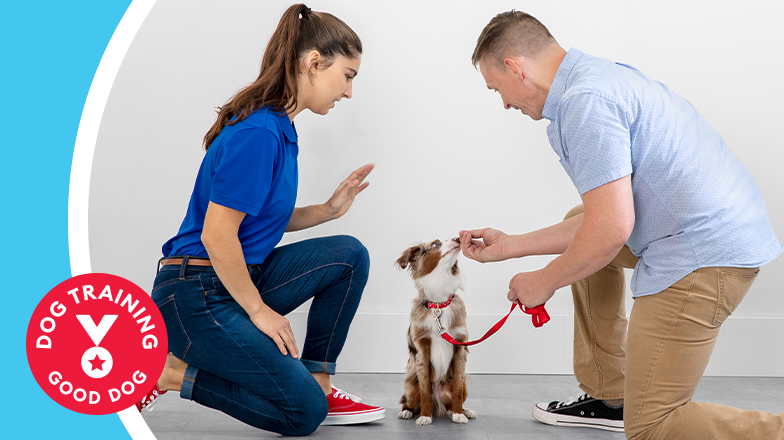
Favorable dog training strategies are necessary for cultivating a healthy and balanced partnership visit their website in between dogs and their owners. While educating a canine can typically really feel like a severe endeavor, integrating play and enjoyable right into sessions can considerably improve the learning experience for both the trainer and the canine. Engaging in playful activities not only makes training satisfying however additionally enhances the bond in between the pet and its owner. Proprietors need to keep a training journal, keeping in mind improvements in their pet's actions and skills. Inevitably, regular celebration of a pet dog's successes fosters a positive training atmosphere, encouraging the canine to engage voluntarily.